



L'année dernière, une conversation sur les médias sociaux a débouché sur un partenariat significatif entre BIOS Medical et BrainStorm.
Après avoir commenté l'une de nos publications pour le Mois de sensibilisation à l'AVC, Erika Goreski, survivante d'un AVC et cofondatrice de BrainStorm, nous a mis au défi de penser différemment la manière dont les symptômes d'un AVC sont abordés et représentés. Cette conversation a conduit à une entrevue, un blog collaboratif, et finalement à un objectif commun : aider plus de gens à comprendre les réalités de la prévention des AVC, de la récupération et de la vie après un AVC.
Ce Mois de sensibilisation à l'AVC, nous étions fiers de nous associer à nouveau à BrainStorm pour une série éducative en quatre parties inspirée par les expériences des cofondateurs Erika Goreski et Paul Nash. Ensemble, nous avons exploré la sensibilisation à l'AVC, le rétablissement, les outils adaptés et les leçons qu'ils auraient aimé connaître avant leur AVC.
Qui est BrainStorm?
BrainStorm est une communauté en pleine croissance fondée par les survivants d'AVC Erika Goreski et Paul Nash. Grâce à des histoires personnelles, des ressources éducatives et la défense des survivants, BrainStorm vise à remettre en question les idées fausses courantes sur les AVC et à apporter un soutien à ceux qui traversent la période de rétablissement.
Leur site web propose des articles, des témoignages de survivants, des ressources et des discussions sur les défis physiques, émotionnels et cognitifs qui peuvent suivre un AVC. Leur contenu se concentre sur un message important : la récupération après un AVC n'est pas uniforme.
Un des meilleurs exemples de ce message se trouve dans leur article, « Two Brains » (Deux cerveaux), où Erika et Paul partagent leurs chemins très différents vers le même diagnostic. Erika décrit un mode de vie actif rempli de courses en sentier, d'aventures en plein air et d'habitudes saines, tandis que Paul discute ouvertement des années de problèmes de santé et de facteurs de risque. Malgré leurs différences, tous deux ont subi un AVC qui a changé leur vie et les défis qui en ont découlé.
Mon AVC n'a pas ressemblé à F.A.S.T.
Le premier article de notre collaboration a été inspiré par l'article de BrainStorm intitulé « Le moment avant F.A.S.T. : se sentir ANORMAL. »
Beaucoup de Canadiens connaissent l'acronyme F.A.S.T. :
- Face : Affaissement du visage
- Assistance : Faiblesse au niveau d'un bras
- Speech : Difficulté à parler
- Temps : Il est temps d'appeler le 9-1-1
Ces signes avant-coureurs restent incroyablement importants. Cependant, l'histoire d'Erika nous rappelle que tous les AVC ne présentent pas des symptômes classiques.
Dans « Le moment avant F.A.S.T. : se sentir ANORMAL » et « Deux Cerveaux », Erika raconte comment ses symptômes ont commencé alors qu'elle faisait de la course en sentier. Elle a ressenti des picotements dans les doigts, suivis d'une faiblesse et d'une perte de coordination dans sa jambe. Elle n'avait pas d'affaissement facial ni de troubles de l'élocution, ce qui rendait difficile de reconnaître ce qui se passait.
Pour aider à élargir la conversation sur la sensibilisation aux AVC, BrainStorm a introduit le concept d'ANORMAL :
A – Apparition soudaine ou inhabituelle de symptômes
N – Ne se sentir pas bien
O – Opération des fonctions modifiée
R – Réaction immédiate
M – Manque de coordination
A – Altération de la vision
L – Lenteur de la parole
L'objectif n'est pas de remplacer F.A.S.T. ou V.I.T.E. Il s'agit plutôt de rappeler que si quelque chose ne va soudainement pas, il faut y prêter attention.
La sensibilisation sauve des vies, et parfois le premier signe d'avertissement est simplement de reconnaître que quelque chose n'est pas normal.
La vie après un AVC
Notre deuxième article collaboratif s'est concentré sur une réalité que beaucoup de gens ne voient jamais : le rétablissement ne se termine pas lorsque vous quittez l'hôpital.
Ce thème apparaît dans plusieurs articles de BrainStorm, y compris « Guérir tout en tenant bon : une lettre aux mamans après un AVC » et « Le coût de gagner un salaire : réflexions un an après le retour au travail. »
Ces articles mettent en lumière le côté invisible du rétablissement après un AVC. Bien que la réadaptation physique soit souvent discutée, les survivants continuent fréquemment de faire face à des défis tels que :
- La fatigue
- La surcharge cognitive
- Le brouillard cérébral
- L'anxiété
- L'isolement
- Les changements d'identité
- Les difficultés à reprendre le travail
Dans « Le coût de gagner un salaire », Erika réfléchit à la réalité du retour au travail alors qu'elle est encore en phase de rétablissement actif. Elle décrit comment le rétablissement occupait autrefois toute sa journée, mais après son retour au travail, la guérison a dû s'intégrer dans le temps et l'énergie restants.
De même, « Guérir tout en tenant bon » explore les défis uniques de concilier le rétablissement avec les responsabilités familiales, les soins et la vie quotidienne.
L'un des messages les plus puissants des écrits de BrainStorm est que le rétablissement devient souvent invisible. Quelqu'un peut paraître en bonne santé à l'extérieur tout en continuant à faire face à des défis physiques, cognitifs et émotionnels importants chaque jour.
Les outils qui m'ont aidé à récupérer
Un sujet qui est revenu à plusieurs reprises lors de nos conversations avec BrainStorm a été l'importance des outils adaptatifs pendant le rétablissement.
Le rétablissement ne consiste pas seulement à retrouver des fonctions, il s'agit de retrouver confiance en soi, de maintenir son indépendance et de créer des environnements plus sûrs pour la vie quotidienne.
Inspiré par les recommandations de BrainStorm, notre troisième article collaboratif a mis en lumière des produits que de nombreux survivants d'AVC trouvent utiles tout au long de leur parcours de rétablissement.
Surveillance et prévention
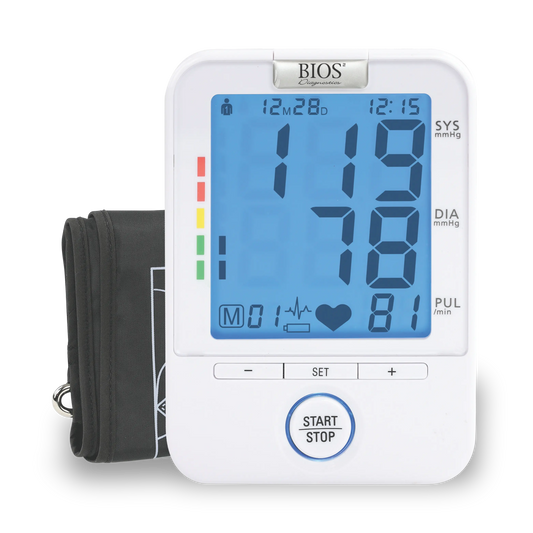
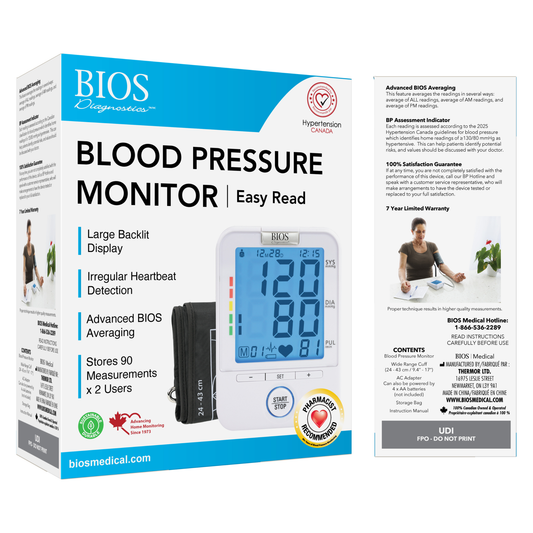
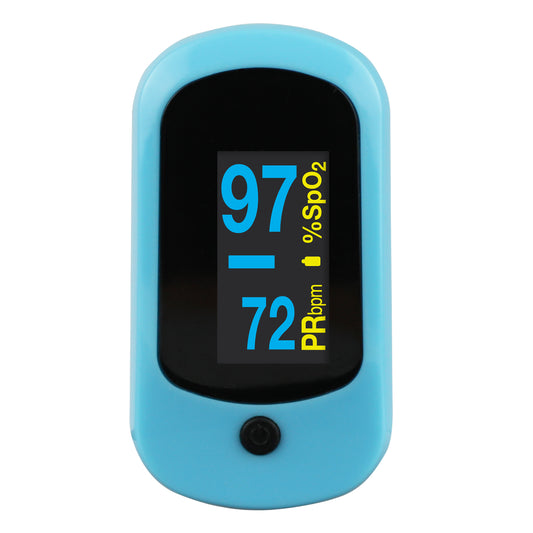
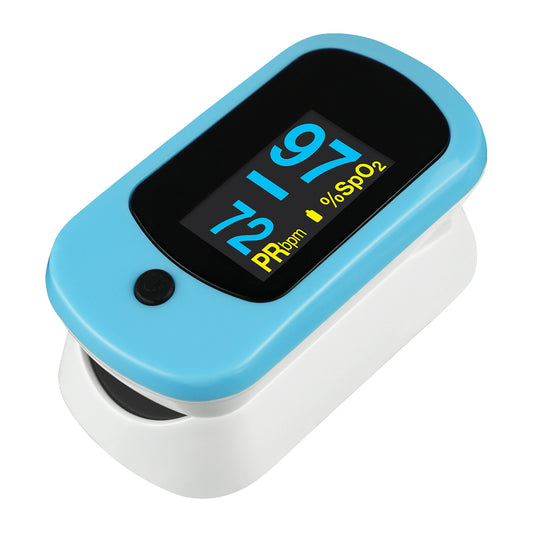
L'hypertension artérielle reste l'un des principaux facteurs de risque d'AVC. Surveiller la tension artérielle à domicile peut aider les individus à rester informés et à jouer un rôle proactif dans la gestion de leur santé.
- Tensiomètres
- Oxymètres de pouls
Sécurité dans la salle de bain
Les salles de bain peuvent devenir l'une des zones les plus à risque de chutes et de blessures pendant la récupération.
- Bancs de transfert
- Tabourets de bain
- Barres d'appui
- Sièges de toilette surélevés
Soutien à la mobilité
Maintenir la mobilité joue souvent un rôle clé dans la préservation de l'indépendance et de la confiance.
Produits mis en évidence :
- Cannes
- Déambulateurs
- Rollators
Aides à la vie quotidienne
Des outils simples peuvent rendre les activités quotidiennes plus faciles et plus sûres.
- Pinces de préhension et attrapes
- Ouvre-bocaux
- Aides à l'habillage
- Aides de cuisine
Comme Erika l'a partagé lors de notre précédente entrevue, parfois les plus petites adaptations peuvent faire la plus grande différence en aidant les survivants à se sentir à nouveau eux-mêmes.


Ce que j'aurais aimé savoir avant mon AVC
Notre dernier article collaboratif a regroupé plusieurs des leçons partagées dans les articles de BrainStorm.
L'un des thèmes les plus importants de « Two Brains » (Deux cerveaux) est que l'AVC ne fait pas de discrimination.
Il peut affecter :
- Les jeunes adultes
- Les parents
- Les professionnels
- Les athlètes
- Les retraités
Les histoires d'Erika et de Paul démontrent que l'AVC peut toucher des personnes issues de milieux et de styles de vie très différents.
Leurs expériences mettent également en lumière des leçons que de nombreux survivants auraient aimé comprendre plus tôt :
- Le rétablissement prend souvent plus de temps que prévu.
- Les symptômes invisibles sont réels.
- L'auto-défense est importante.
- La santé ne doit jamais être tenue pour acquise.
- Écouter son corps peut changer une vie.
Peut-être le plus important, ils nous rappellent que la prévention commence par la sensibilisation. Comprendre les symptômes de l'AVC, connaître ses facteurs de risque et surveiller régulièrement sa tension artérielle peut aider les gens à adopter une approche plus proactive de leur santé.
Découvrez la Collection Recommandée BrainStorm
Dans le cadre de notre collaboration, BrainStorm a aidé à élaborer une collection de produits conçus pour soutenir la prévention des AVC, le rétablissement, la sécurité et l'autonomie.
La Collection Recommandée BrainStorm comprend :
- Tensiomètres
- Oxymètres de pouls
- Aides à la mobilité
- Produits de sécurité pour la salle de bain
- Aides à la vie quotidienne
Que vous soyez un survivant d'AVC, un aidant ou une personne cherchant à adopter une approche proactive de votre santé, ces produits sont conçus pour renforcer la confiance, le confort et l'autonomie tout au long du parcours de rétablissement.
Pour soutenir le Mois de la sensibilisation à l'AVC et notre partenariat continu avec BrainStorm, profitez de 15 % de réduction sur la Collection Recommandée BrainStorm en utilisant le code promo :
Économisez 15 % avec le code BRAINSTORM
BRAINSTORM
Soutenir la sensibilisation ensemble
Nous sommes reconnaissants à Erika, Paul et à toute la communauté BrainStorm d'avoir partagé leurs histoires et d'avoir contribué à sensibiliser le public à la prévention et au rétablissement après un AVC.
Leurs écrits nous rappellent que la sensibilisation à l'AVC ne se limite pas à reconnaître les symptômes. Il s'agit de comprendre les facteurs de risque, de soutenir les survivants, d'écouter notre corps et de bâtir des communautés où les gens se sentent compris tout au long de leur parcours de rétablissement.
Pour en savoir plus sur BrainStorm et lire leurs articles, visitez BrainStormChanges.com et suivez leur communauté grandissante de survivants, de défenseurs et de sympathisants.
Articles de BrainStorm référencés dans ce blog
- Two Brains
- The Moment Before FAST: Feeling OFF
- Healing While Holding It All Together: A Letter to Moms After Stroke
- The Cost of Earning a Paycheck: Reflections a Year After Returning to Work
Sensibilisation. Prévention. Rétablissement. Espoir.


Suivez la communauté BrainStorm ici :


Découvrez les produits connexes ici :
- https://biosmedical.com/products/bios-diagnostics-protocol%C2%AE-7d-mii-bd252
- https://biosmedical.com/products/bios-diagnostic-precision-series-10-0-blood-pressure-monitor-3ms1-4y
- https://biosmedical.com/products/replacement-cuffs-for-bd24
- https://biosmedical.com/products/fingertip-pulse-oximeter-with-app
- https://biosmedical.com/products/fingertip-pulse-oximeter-blue


